The world’s recovery traditions, each on its own terms and then on the evidence.
Ten traditions. One template each: what physically happens in a session, the tradition’s own model of how a body works, the physiology as we currently understand it, what the evidence actually supports, and what the thing is genuinely good for.
Western physiotherapy and chiropractic are in here on exactly the same terms as tuina and Ayurveda, with the same five sections and the same scrutiny. That symmetry is not politeness. It is the intellectual point of the whole module, and it is the reason the goal is understandable, not exotic.
Traditions
10
Oldest written record
1550BCE
Graded strong
2
Unregulated entirely
2
Ten origins, and the practices they found independently.
Real geography from Natural Earth. Hover an origin to see its regional map; the arcs cycle through the practices that cultures with no contact arrived at separately.
Arrived at independently · 6 traditions
Sustained manual pressure
Slow, firm, predictable mechanical input is the input the nervous system discounts pain against.
Each origin, drawn in its own culture's cartography
Thai lacquer, Swedish copperplate, Chinese ink and seal, papyrus, Korean obangsaek, Indian block print, a Finnish winter survey, an American township plat, a clinical blueprint, and airmail. Every map opens its tradition's entry.
Papyrus and sepia
Cupping
Polycentric: Egypt, the eastern Mediterranean, China, and the Islamic world
Indigo block print
Ayurveda
South Asia
Ink and seal
Chinese tuina
East Asia
Winter survey
Nordic sauna and cold
Northern Europe
Black and gold lacquer
Thai massage
Mainland Southeast Asia
Hanji and obangsaek
Korean traditional medicine
Korean Peninsula
Copperplate engraving
Swedish and classical massage
Northern and Western Europe
Township plat, 1890s
Chiropractic
North America
Airmail
Foot reflexology
North America, with older East Asian and European foot-work traditions behind it
Clinical blueprint
Western physiotherapy
Northern and Western Europe, then North America
Method
One template. Everyone. Including the West.
Most writing about the world's recovery traditions does one of two things. It makes them mystical, which flatters them and teaches nothing. Or it makes them primitive, which is worse, because it is usually written by someone who never read the primary texts and who exempts their own tradition from the same test.
This atlas runs every tradition through five identical sections. Thai massage gets them. So does chiropractic. Ayurveda's theory of the body is laid out in its own vocabulary and taken seriously as a system, and so is physiotherapy's, because physiotherapy has a theory of the body too (tissue as a material with a load tolerance) and that theory has commitments and blind spots exactly like any other.
The symmetry is deliberate and it is the point. If the template only produces flattering results for the tradition you grew up in, the template is broken. Read the physiotherapy entry and the chiropractic entry before you decide the atlas is being generous to anyone.
- 01
A mechanism that fails is reported as a failed mechanism, not as a failed practice. Those are different sentences and they often have different answers.
- 02
Regulation status is reported because it matters for safety, and it is reported separately from evidence, because they are not correlated. The best-evidenced tradition here has no license at all.
- 03
Where a tradition's own researchers publish negative findings about it, that is cited as a credit to the tradition.
The template, every time
- 01
The technique
What physically happens in a session: the surface, the clothing, the hands, the pressure, the clock. Concrete enough that you would recognize it from across a room.
- 02
The theory of the body
The tradition's own model of how a body works and why the technique should help, in its own vocabulary, taken seriously as an intellectual system. No endorsing, no mocking.
- 03
The physiology
What we can currently say is happening in mechanistic terms: receptors, signaling, tissue, timescales. Including the mechanisms that do not hold.
- 04
The evidence
Which studies exist, how good they are, and precisely where the claims outrun the data. Graded, and the grades are allowed to be unflattering.
- 05
What it is genuinely good for
The honest practical takeaway, with the cautions attached. Usually narrower than the tradition claims and wider than a skeptic would guess.
Ten traditions
Ordered oldest to newest by the point at which each took its recognizable form. Cupping's earliest written record predates the founding of chiropractic by roughly three and a half thousand years, which is worth holding in mind while reading both.
Cupping
拔罐 · báguàn
Negative pressure held on the skin for ten minutes, aimed at stagnation, leaving a mark the tradition reads as a diagnosis.
- Origin
- Polycentric: Egypt, the eastern Mediterranean, China, and the Islamic world
- Era
- c. 1550 BCE
- Session
- 15 to 30 min, usually as an add-on
- Regulation
- Partial
Ayurveda
आयुर्वेद · āyurveda
The most fully worked-out theory of the body in this atlas, a genuinely effective set of thermal and manual procedures, and one specific class of preparations that can poison you.
- Origin
- South Asia
- Era
- c. 900 BCE
- Session
- 60 min for abhyanga; 7 to 28 days for a panchakarma programme
- Regulation
- Statutory
Chinese tuina
推拿 · tuīná
Named manipulations at specified frequencies, applied along the channel network, inside a full diagnostic system.
- Origin
- East Asia
- Era
- c. 200 BCE
- Session
- 30 to 45 min, in courses of 6 to 12
- Regulation
- Statutory
Nordic sauna and cold
sauna / löyly · sauna / löyly
The tradition with almost no theory behind it and by a wide margin the best evidence in this atlas, which is a result worth sitting with.
- Origin
- Northern Europe
- Era
- c. 1100 CE
- Session
- 1.5 to 3 hours for a full cycle set; 4 to 7 sessions per week in the cohort data
- Regulation
- None
Thai massage
นวดแผนโบราณ · nuad phaen boran
Compression along ten channels, plus an hour of assisted stretching, on a floor mat with your clothes on.
- Origin
- Mainland Southeast Asia
- Era
- c. 1400 CE
- Session
- 60 to 120 min
- Regulation
- Licensed
Korean traditional medicine
한의학 / 한방 · hanuihak / hanbang
A parallel licensed medical system in which the central clinical variable is what kind of body you are, decided before anything is prescribed.
- Origin
- Korean Peninsula
- Era
- c. 1433 CE
- Session
- 30 to 60 min per visit; herbal courses of 2 to 8 weeks
- Regulation
- Statutory
Swedish and classical massage
svensk massage · svensk massage
The five named strokes, an oiled table, and the nineteenth-century hydraulic theory of the body that still lives in every locker room.
- Origin
- Northern and Western Europe
- Era
- c. 1813 CE
- Session
- 50 to 90 min
- Regulation
- Licensed
Chiropractic
chiropractic · cheir + praktikos
An American vitalist theory of disease, a technique with a genuine if modest place in the evidence base, and a profession openly split over which of those two it is.
- Origin
- North America
- Era
- c. 1895 CE
- Session
- 10 to 20 min per visit, courses of 6 to 12
- Regulation
- Statutory
Foot reflexology
若石健康法 · ruòshí jiànkāng fǎ
A map of the whole body drawn on the sole of the foot, pressed by thumb, and read for tenderness. The map fails every test it has been given. The pressing does not.
- Origin
- North America, with older East Asian and European foot-work traditions behind it
- Era
- c. 1913 CE
- Session
- 30 to 60 min, both feet, seated or reclined
- Regulation
- None
Western physiotherapy
physiotherapy / physical therapy · physiotherapy
The tradition whose exercise arm is the best-evidenced thing in this atlas and whose passive arm is about as well-evidenced as everything else in it.
- Origin
- Northern and Western Europe, then North America
- Era
- c. 1916 CE
- Session
- 30 to 60 min per visit, courses of 6 to 16 weeks plus daily home work
- Regulation
- Statutory
The Atlas, as an index
Ten traditions, one template, no neutral baseline
- 01Thai massageCompression along ten channels, plus an hour of assisted stretching, on a floor mat with your clothes on.Mainland Southeast Asia
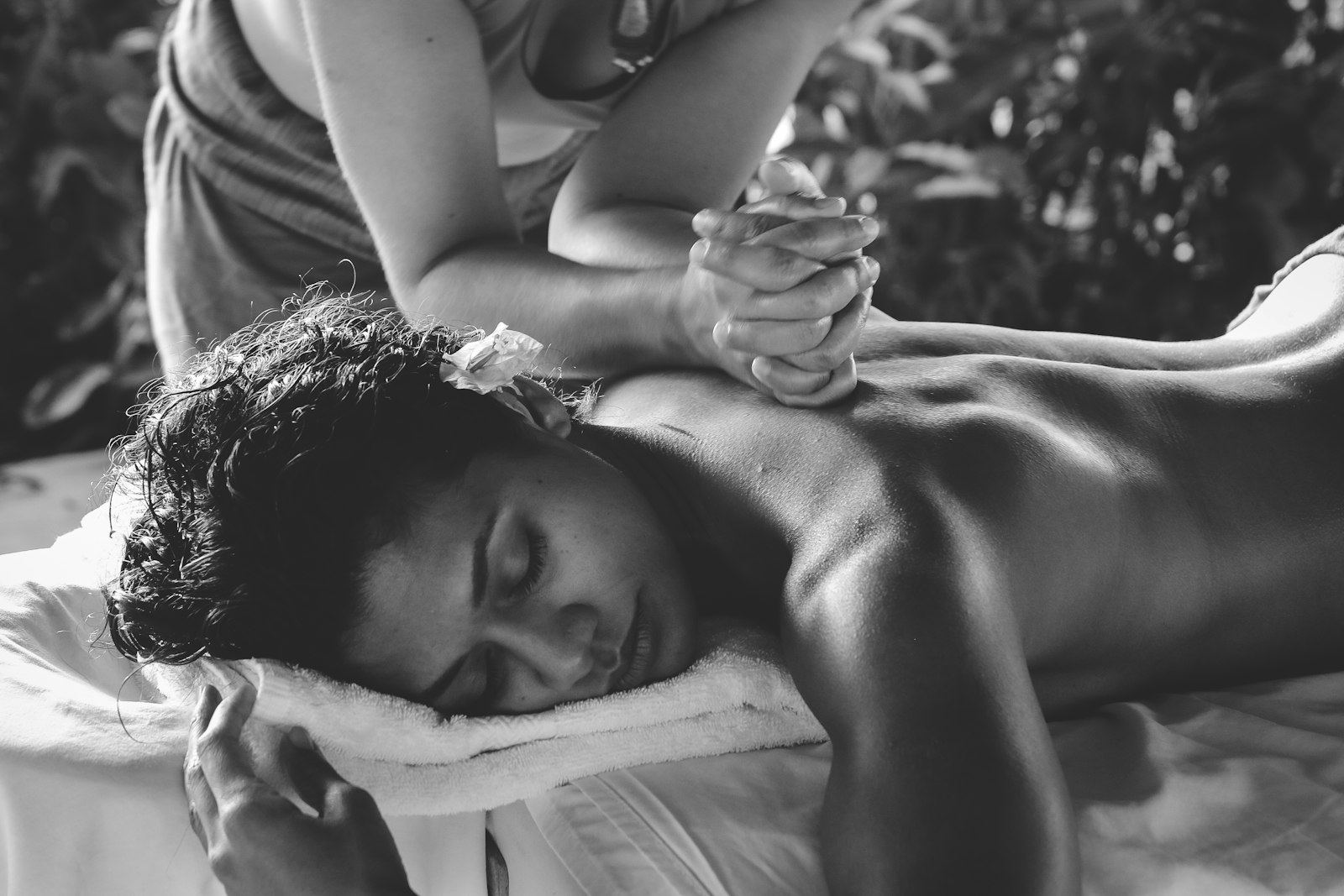
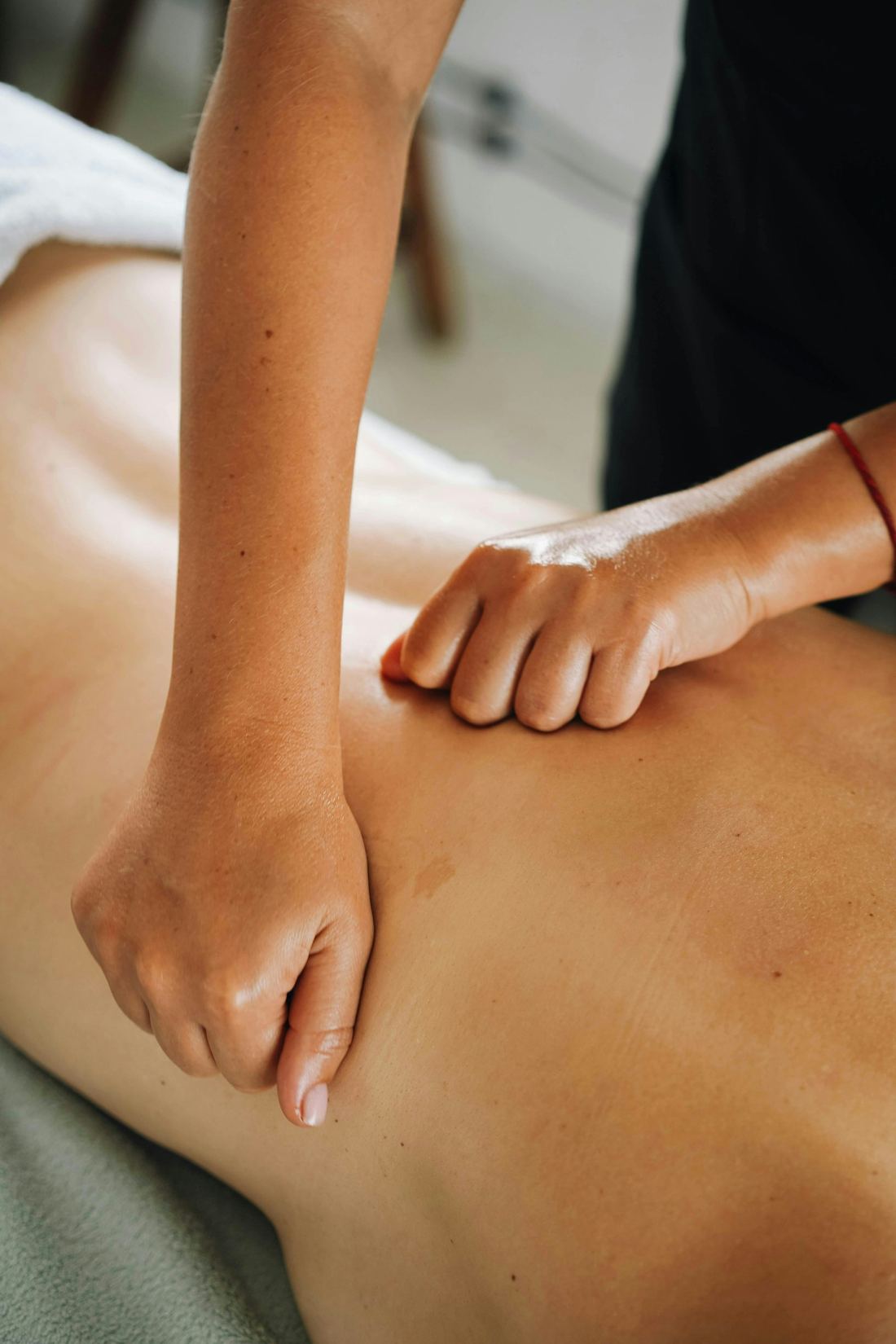 02Swedish and classical massageThe five named strokes, an oiled table, and the nineteenth-century hydraulic theory of the body that still lives in every locker room.Northern and Western Europe
 03Chinese tuinaNamed manipulations at specified frequencies, applied along the channel network, inside a full diagnostic system.East Asia
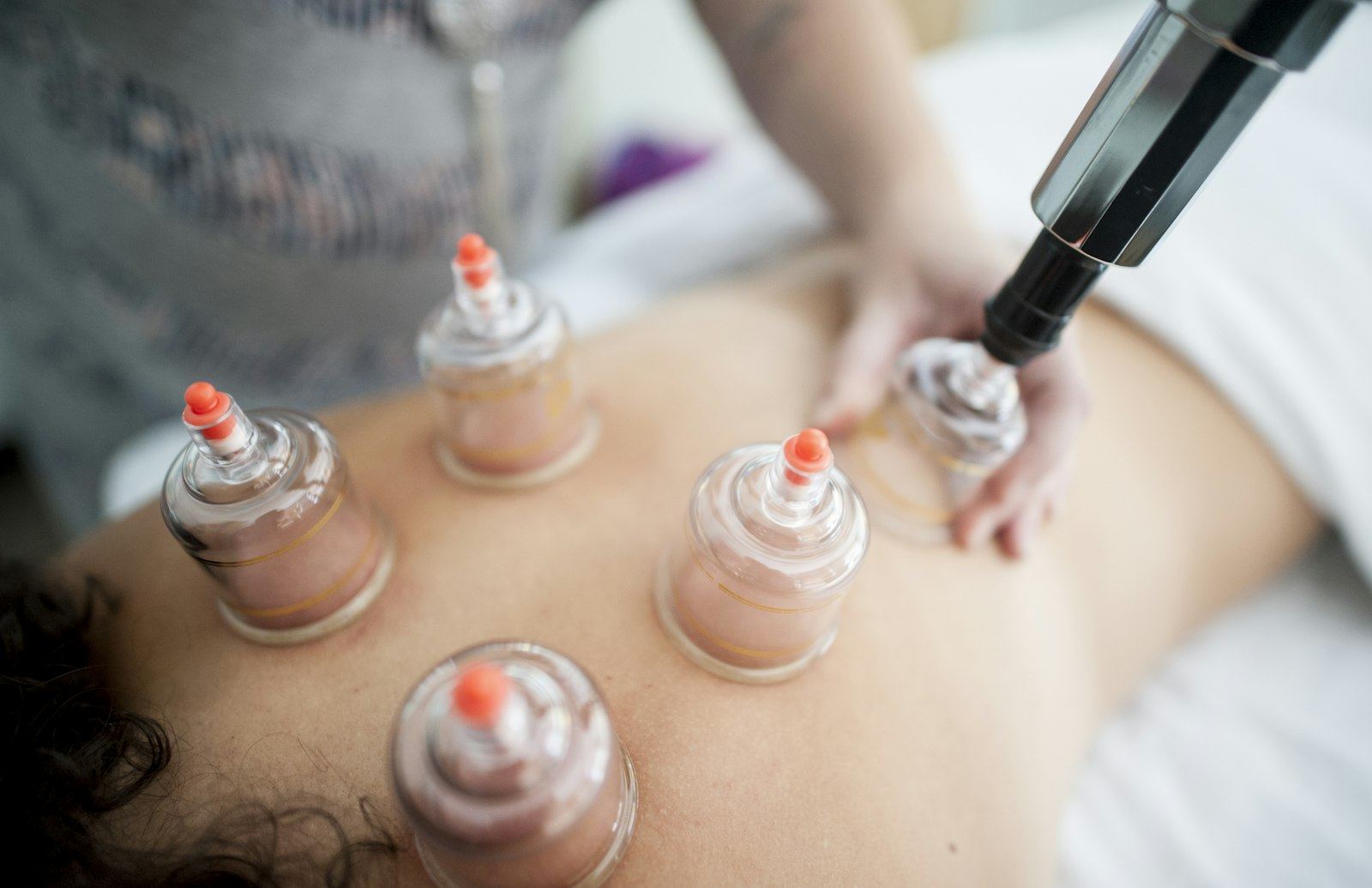 04CuppingNegative pressure held on the skin for ten minutes, aimed at stagnation, leaving a mark the tradition reads as a diagnosis.Polycentric: Egypt, the eastern Mediterranean, China, and the Islamic world
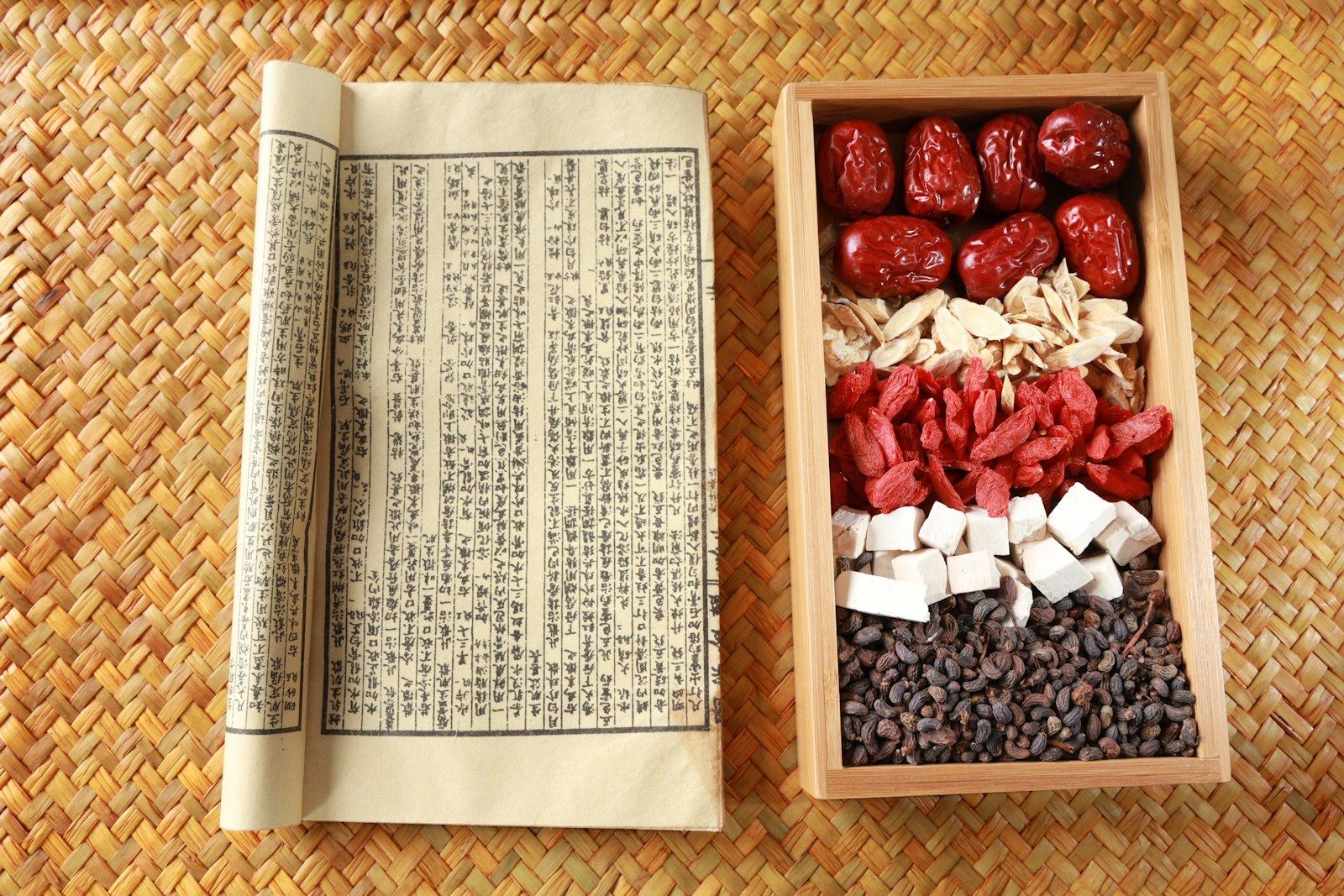 05Korean traditional medicineA parallel licensed medical system in which the central clinical variable is what kind of body you are, decided before anything is prescribed.Korean Peninsula
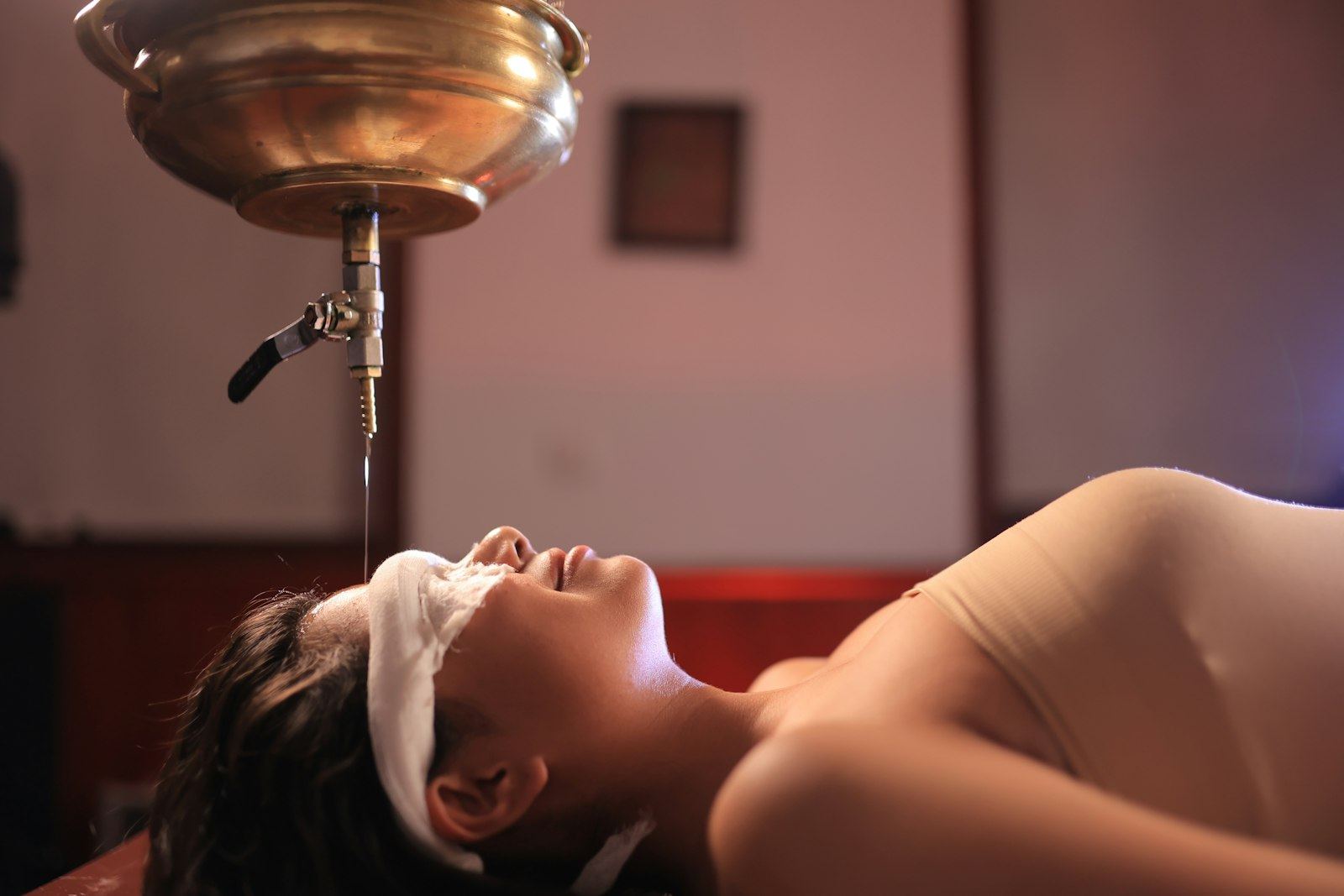 06AyurvedaThe most fully worked-out theory of the body in this atlas, a genuinely effective set of thermal and manual procedures, and one specific class of preparations that can poison you.South Asia
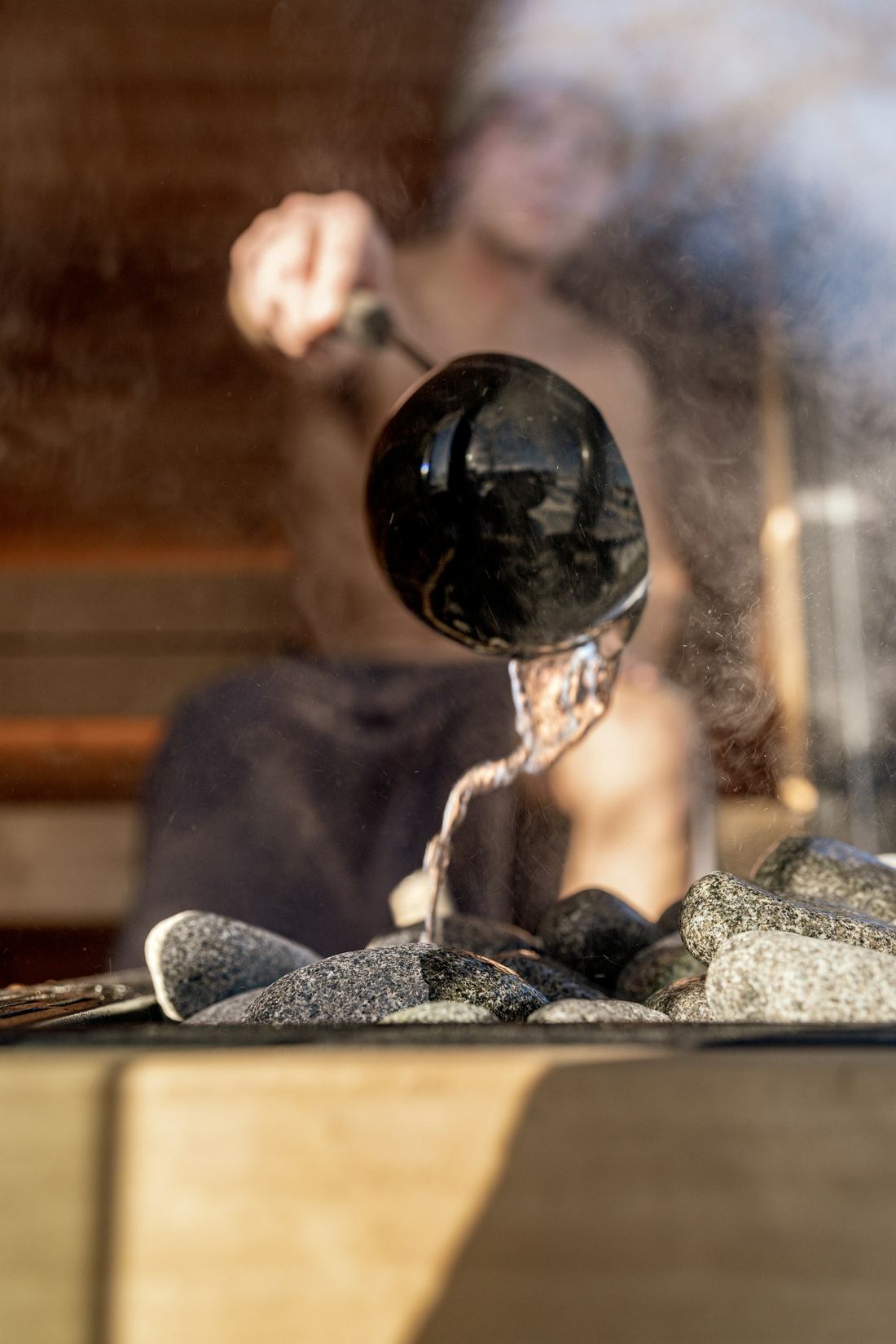 07Nordic sauna and coldThe tradition with almost no theory behind it and by a wide margin the best evidence in this atlas, which is a result worth sitting with.Northern Europe
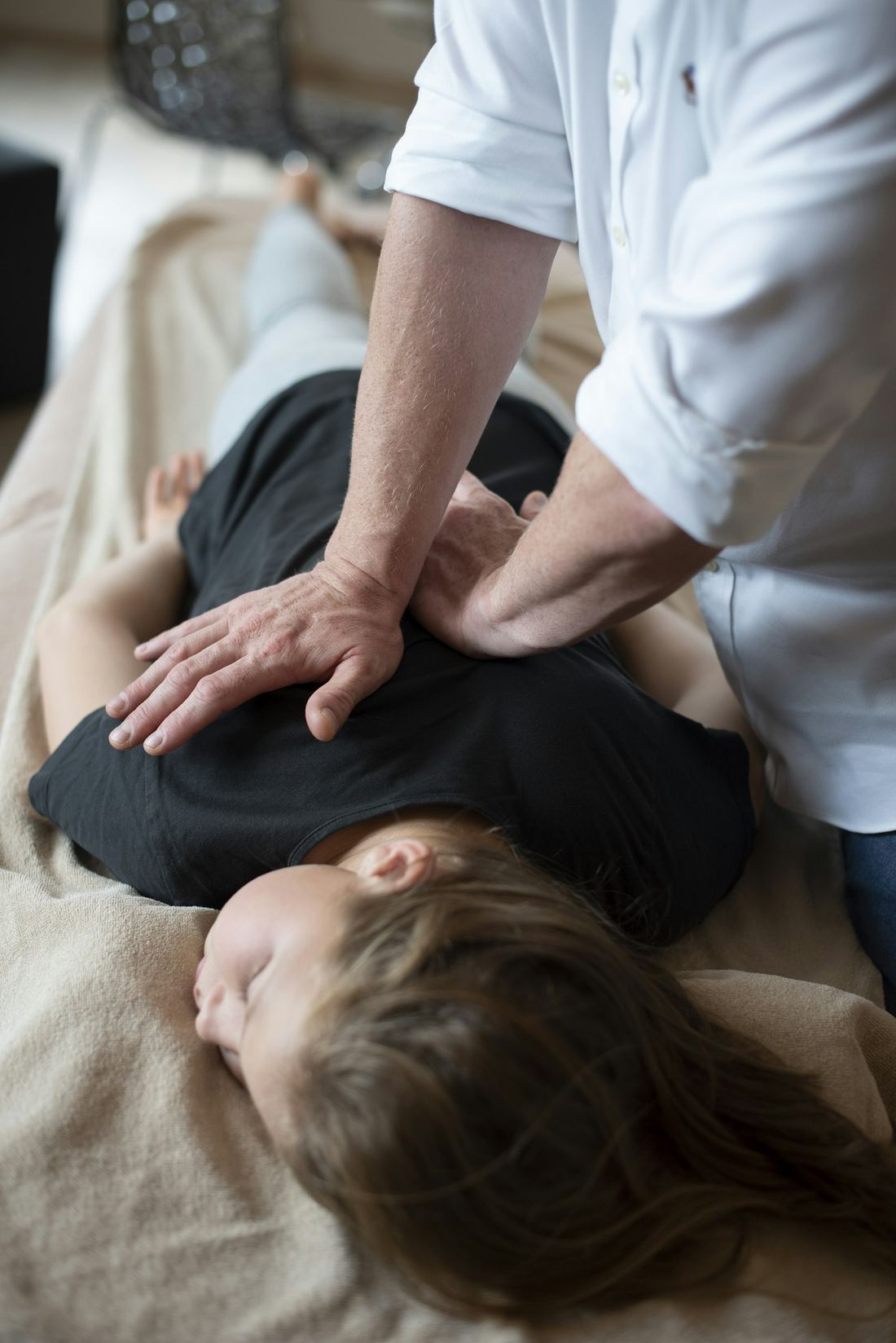 08ChiropracticAn American vitalist theory of disease, a technique with a genuine if modest place in the evidence base, and a profession openly split over which of those two it is.North America
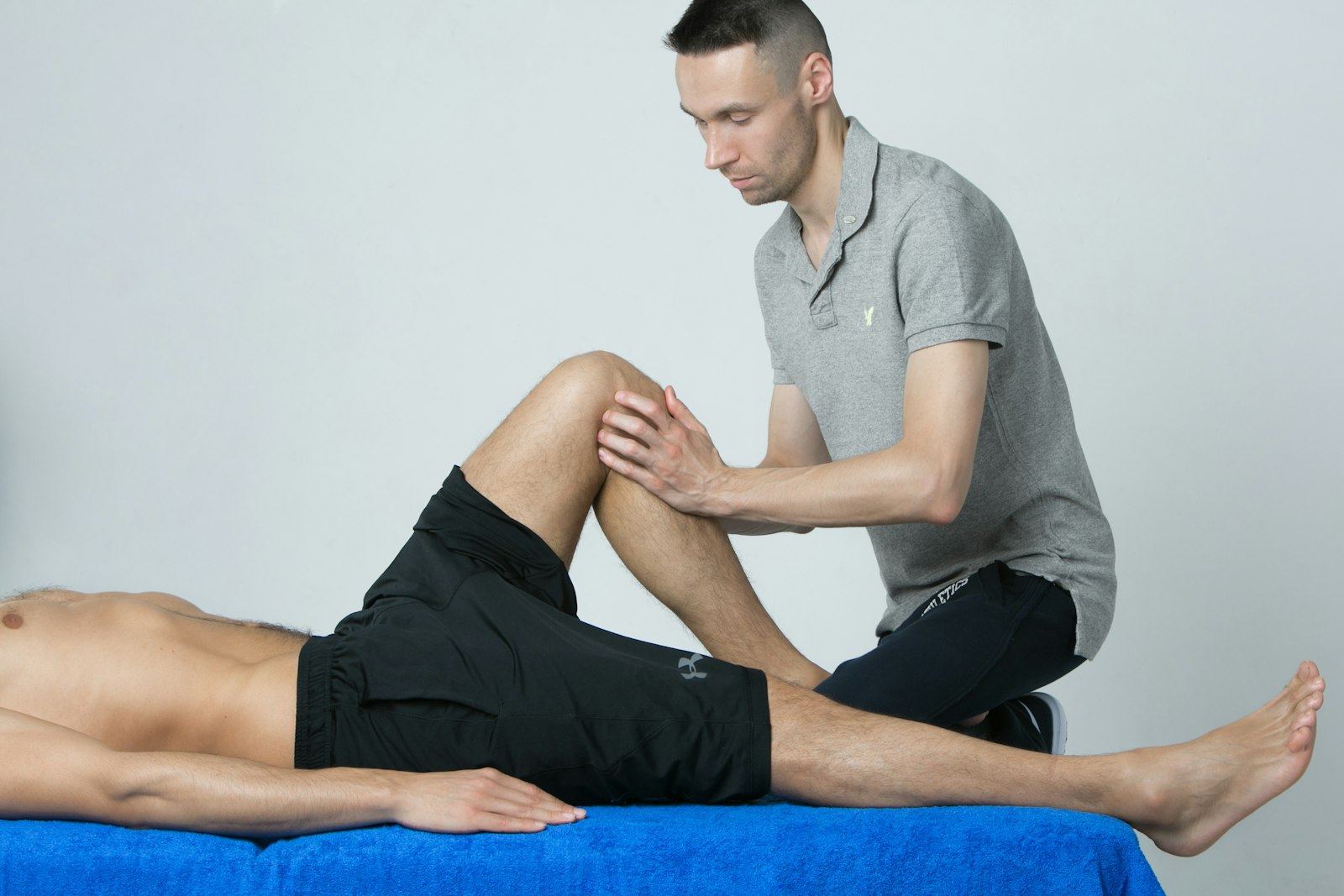 09Western physiotherapyThe tradition whose exercise arm is the best-evidenced thing in this atlas and whose passive arm is about as well-evidenced as everything else in it.Northern and Western Europe, then North America
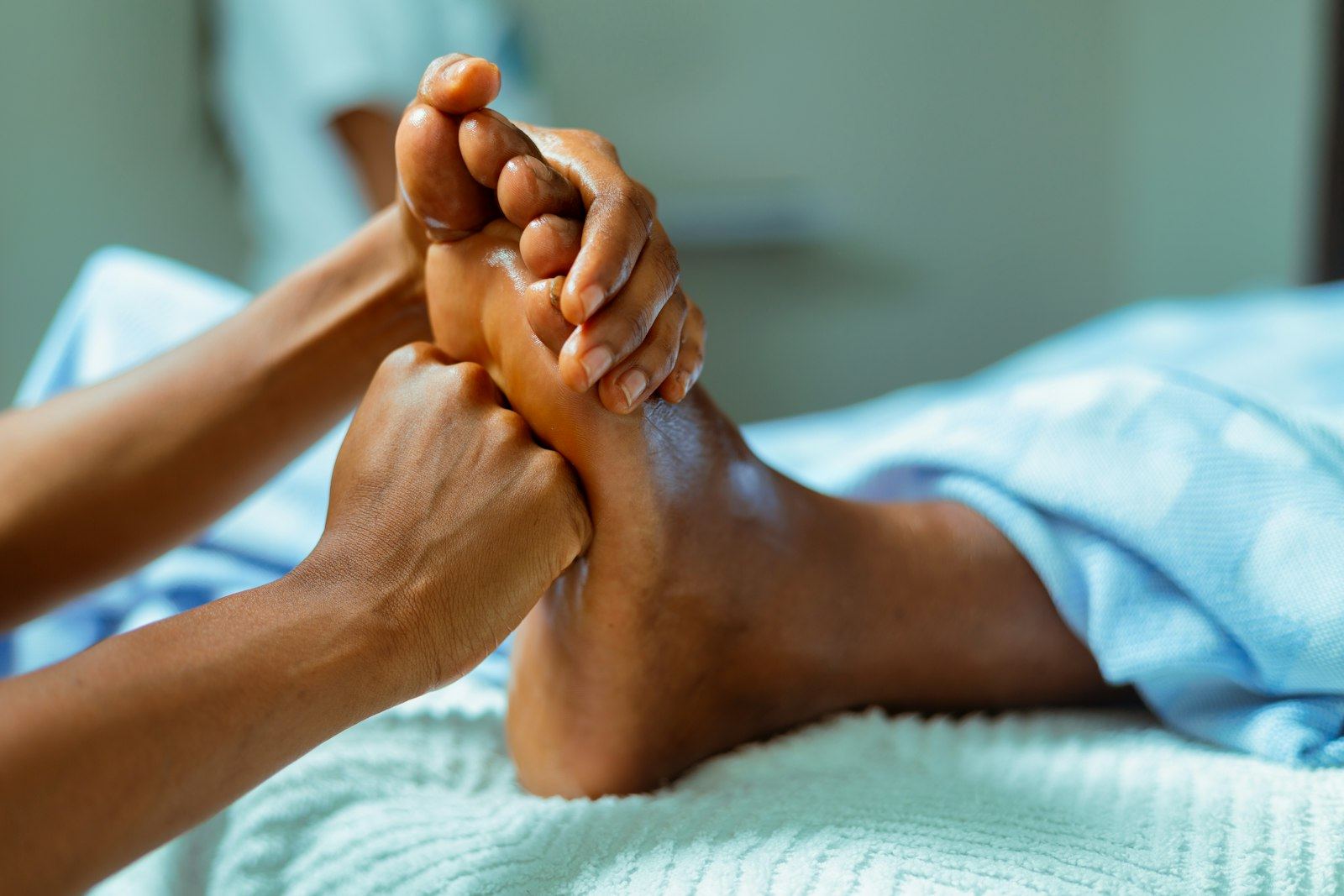 10Foot reflexologyA map of the whole body drawn on the sole of the foot, pressed by thumb, and read for tenderness. The map fails every test it has been given. The pressing does not.North America, with older East Asian and European foot-work traditions behind it
Sorted, and the sorting is the argument
Origin, era, primary claimed target, evidence grade, and regulatory status, in one table. Sort by evidence, then sort by regulation, and notice that the two orderings have almost nothing to do with each other.
Comparison
Sort any column · sorted by Era asc
| Cupping拔罐 | Polycentric: Egypt, the eastern Mediterranean, China, and the Islamic world | c. 1550 BCE | Localized pain and stagnation, chiefly of the back and neck | Limited | PartialPartially regulated; wet cupping often unscoped |
|---|---|---|---|---|---|
| Ayurvedaआयुर्वेद | South Asia | c. 900 BCE | Constitutional imbalance and accumulated metabolic residue; joint stiffness and dryness | Mixed | StatutoryStatutory in India; products barely regulated abroad |
| Tuina推拿 | East Asia | c. 200 BCE | Pain and restriction attributed to channel obstruction, plus internal complaints via channel and organ-system correspondence | Limited | StatutoryMedical specialty in the PRC; unlicensed abroad |
| Sauna and coldsauna / löyly | Northern Europe | c. 1100 CE | General restoration, heat tolerance, and cardiovascular conditioning | Strong | NoneUnregulated. There is no practitioner. |
| Thai massageนวดแผนโบราณ | Mainland Southeast Asia | c. 1400 CE | Regional musculoskeletal pain and restricted range of motion | Moderate | LicensedLicensed in Thailand, uneven abroad |
| Hanbang한의학 / 한방 | Korean Peninsula | c. 1433 CE | Whole-person imbalance stratified by constitutional type, plus pain and fatigue | Limited | StatutoryStatutory parallel profession in South Korea |
| Swedish massagesvensk massage | Northern and Western Europe | c. 1813 CE | Muscle soreness, perceived fatigue, and general recovery | Moderate | LicensedLicensed in most Western jurisdictions |
| Chiropracticchiropractic | North America | c. 1895 CE | Spinal segment restriction; classically, whole-body regulation through the nervous system | Moderate | StatutoryStatutory profession in 40+ countries |
| Reflexology若石健康法 | North America, with older East Asian and European foot-work traditions behind it | c. 1913 CE | Remote organs and systems, through zones mapped onto the feet | Limited | NoneUnregulated; voluntary registers only |
| Physiotherapyphysiotherapy / physical therapy | Northern and Western Europe, then North America | c. 1916 CE | Tissue load tolerance and functional capacity | Strong | StatutoryStatutory profession, degree-entry worldwide |
Sort by Evidence, then sort by Regulation, and look at what happens to the ordering. The tradition with the strongest evidence in this atlas (Nordic sauna and cold) has no practitioner, no license, and no training standard. Two of the most heavily regulated professions here are built on mechanisms that did not survive. Regulation tells you about accountability and about safety. It does not tell you whether the thing works.
Reading the grades
- StrongMultiple independent lines converge, including controlled work, with a mechanism that holds.
- ModerateReal short-term effects on repeated trials, modest in size, with blinding that cannot be fixed.
- MixedParts hold and parts do not, and the parts are not interchangeable. Read the breakdown, not the grade.
- LimitedSmall trials, high risk of bias, low certainty. Direction of effect is more trustworthy than its size.
- InsufficientNot enough usable data to say anything, in either direction.
These three appear on every tradition page, in the proposed-mechanism comparison. They grade the explanation, never the practice. Reframed is the most common verdict in the atlas and it is the interesting one: the tradition predicted something real and attributed it to the wrong thing.
The result nobody expects
The tradition with the least theory attached to it has the best evidence behind it.
The Finnish sauna makes essentially no mechanistic claim. It has no channel system, no humoral theory, no constitutional typology, and no account of what heat does to a tissue. It has a schedule: hot, then cold, then rest, repeated, several times a week, for your whole life.
That schedule is the single best-supported protocol in this atlas, with a clean dose-response in a twenty-year cohort and experimental backing for plasma volume expansion, endothelial function, and the heat-shock response. Every other tradition here explains itself, and in most cases the explanation is the part that fails.
Sauna evidence grade
Strong
Sauna regulation
None
What the traditions agree on
Read ten of these side by side and the same handful of things keep appearing in cultures with no contact and no shared theory. Convergent practice with divergent explanation is exactly what you expect when practitioners are optimizing empirically against a real physiological response and explaining it with whatever cosmology is to hand.
Sustained manual pressure
What is present
Every hands-on tradition here independently arrived at deep, sustained, non-painful pressure held for seconds at a time, applied along lines rather than at isolated spots.
What that might tell us
Slow, firm, predictable mechanical input is the input the nervous system discounts pain against. Aβ mechanoreceptor traffic gates nociception at the dorsal horn, and C-tactile afferents in hairy skin are tuned almost exactly to the stroking speed that every tradition converged on independently, roughly 1 to 10 cm per second. Nine cultures found the same receptor by hand.
Thermal stress, then cold, then rest
What is present
Heat appears everywhere: the Finnish löyly, Ayurvedic svedana and kati basti, Korean moxibustion and jjimjilbang, Chinese fire cupping and moxa. Where cold appears it is almost always after the heat, never instead of it, and rest is treated as a required third phase rather than an optional one.
What that might tell us
Whole-body heat is one of the few recovery inputs with a genuine adaptive signal behind it: heat-shock protein induction, plasma volume expansion, endothelial function. The traditions could not have known about HSP70. They did know the schedule, and the schedule is the part that turned out to matter.
Breath used as a control input
What is present
Thai practitioners cue the exhale into the stretch. Ayurveda and yoga make breath a named object of practice. Sauna etiquette slows breathing without ever mentioning it. Physiotherapy tends to use breath only to avoid a Valsalva.
What that might tell us
Slow nasal exhalation lengthens the expiratory phase, raises respiratory-sinus-arrhythmia amplitude, and shifts autonomic balance toward vagal drive within a couple of minutes. It is the only recovery lever a person can pull for free, with immediate effect, and the traditions that formalized it were not being poetic.
The ritual container
What is present
A dedicated room. A fixed sequence. An opening gesture (the wai khru to Shivago, the ladle of water, the intake interview). A defined end. A period afterward in which you are not supposed to do anything.
What that might tell us
This is the part a mechanism-first reader wants to dismiss, and it is measurable. Ritual structure, practitioner attention, and a coherent explanation reliably move pain reports by amounts comparable to the physical technique itself, through descending modulation and expectancy, not through deception. The container is an active ingredient with a neurobiology.
Someone paying close attention to your body for an hour
What is present
In every one of these traditions, a trained person spends an uninterrupted stretch of time touching, questioning, and thinking about one body. In modern sports medicine that hour is often the scarcest resource in the building.
What that might tell us
The therapeutic encounter has effect sizes. Practitioner warmth and perceived competence change outcomes in trials where the physical intervention is held constant. This is the convergent theme that should make an evidence-based reader least comfortable, because it means part of what works about physiotherapy is not the exercise prescription.
What nobody converged on
What is present
The mechanisms. Lom, qi, gi, vata, Innate Intelligence, venous flushing, vertebral subluxation, and the zones of the foot are not the same idea in different clothes, and pretending they are is its own kind of condescension.
What that might tell us
Convergent practice with divergent theory is exactly what you expect when practitioners are optimizing empirically against a real physiological response while explaining it with whatever cosmology is available. The techniques converged because bodies are the same everywhere. The theories diverged because theories come from cultures.
The rest of the lab
The atlas describes what traditions claim and what the evidence says. The other modules take those claims apart.