The claim
ContestedIce baths after training blunt strength and muscle growth.
Popular on both poles: proof that recovery culture is counterproductive, or proof that everyone is soft. Neither reading survives the three layers.
Layer 01 · Research
Who was studied, how many, and how well?
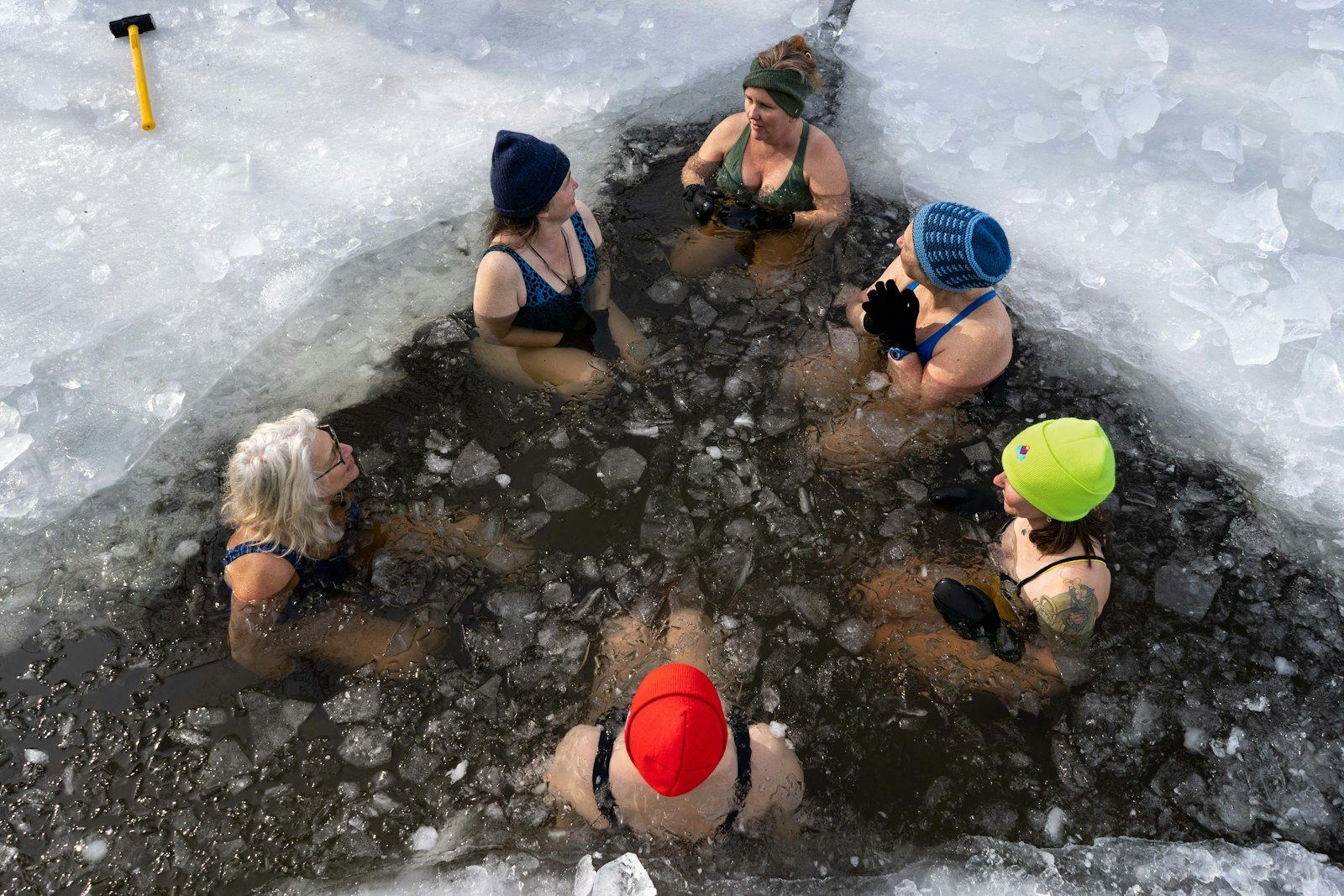
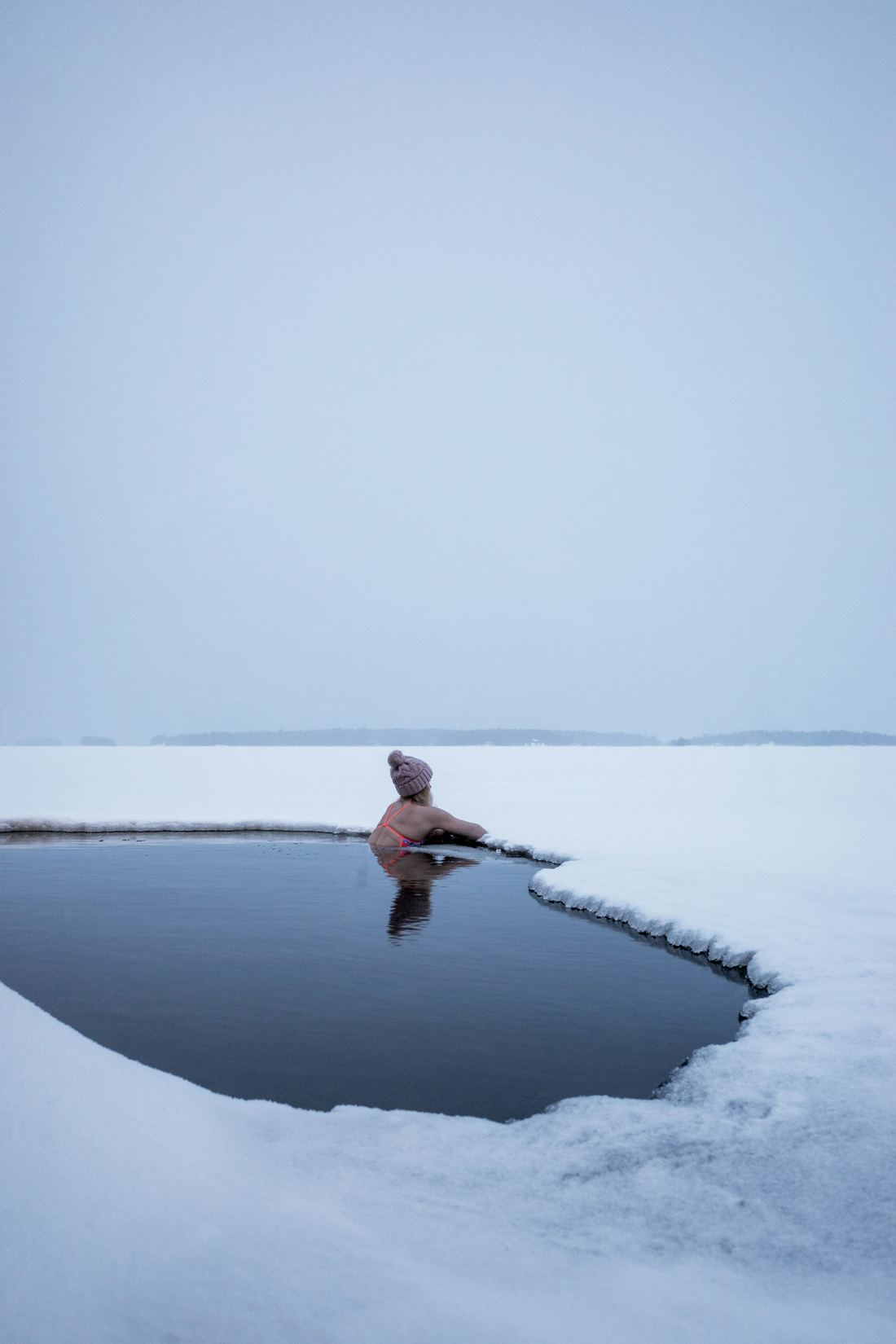
The anchor study is Roberts and colleagues, 2015, in the Journal of Physiology. Twenty-one physically active men trained their legs twice a week for twelve weeks. Half sat in 10 °C water for ten minutes after every session; half did ten minutes of low-intensity cycling. The cold group ended the study with smaller gains in lean mass, type II fibre area, and strength. A second, acute arm took biopsies to ask why.
What that study is not: large, blinded, female-inclusive, or conducted in trained athletes. The follow-on literature agrees on the direction of the hypertrophy effect and disagrees on strength. Treat this as a well-supported tendency, not a law.
Participants
21men
Duration
12weeks
Water temp
10°C
Immersion
10min
Roberts et al., J Physiol, 2015
12 weeks of resistance training. Cold immersion group gained less muscle mass and strength than active recovery; acute arm of the study showed blunted satellite-cell and p70S6K responses.
Fyfe et al., J Appl Physiol, 2019
Attenuated type II fibre hypertrophy after whole-body training, but strength gains were not significantly different. Useful disagreement.
Malta et al., Sports Medicine, 2021
Meta-analysis: habitual post-session cold immersion attenuates resistance-training gains, with small to moderate pooled effects.
Bleakley et al., Cochrane, 2012
Cold immersion does reduce next-day soreness versus passive rest. The authors grade the trial quality as low.
Broatch et al., Med Sci Sports Exerc, 2014
A believable placebo (thermoneutral water plus a 'recovery oil') matched cold immersion on perceived recovery. Some of the benefit is expectation.
Layer 02 · Mechanism
Which cells, which molecules, on what clock?
Resistance training tears a small amount of structure and, more importantly, sends a signal. Mechanical tension activates mTORC1, which phosphorylates p70S6K and 4E-BP1 and raises myofibrillar protein synthesis for roughly a day to two days. In parallel, local inflammatory signaling recruits satellite cells: Pax7-positive precursors that migrate to the damaged fibre, proliferate, and donate their nuclei so the fibre can support more protein.
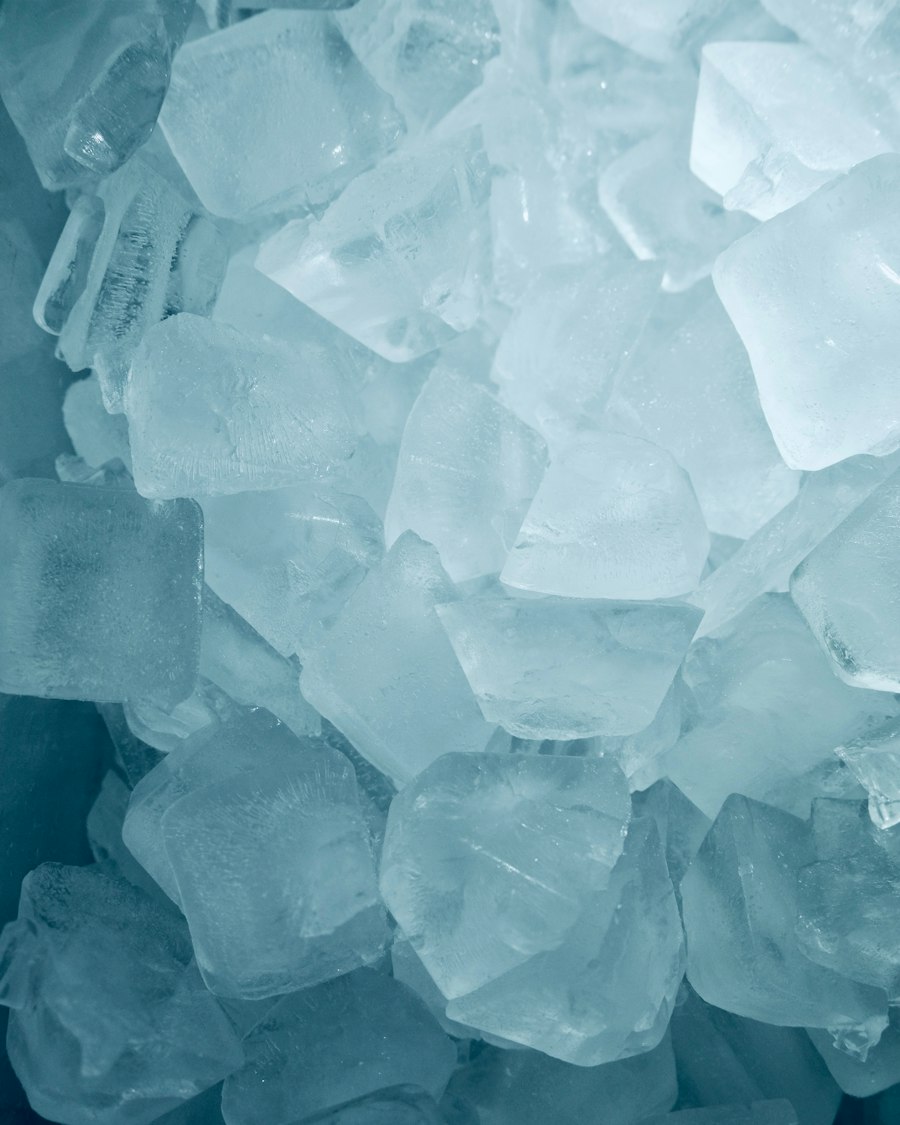
Cold water at 10 °C drops muscle temperature several degrees at depth and constricts the vessels supplying the working tissue. Less blood flow means less delivery of leukocytes, hormones, and amino acids exactly when the construction order is being placed. Roberts measured the consequence: fewer active satellite cells at two and forty-eight hours, and less p70S6K phosphorylation in the hour after lifting.
The part of cold that is not in dispute: it genuinely reduces pain. Cooling slows conduction in Aδ and C fibres by roughly 1.5 metres per second for every degree lost, so the limb reports less. Feeling better and adapting better are different outcomes, and this claim lives entirely in that gap.
Fig. 02 · Schematic, not data
The curves show the reported shape and direction of the response, not measured magnitudes: synthesis rises within an hour, peaks in the first few hours, and stays elevated for a day or more. Cold immersion lowers the peak rather than moving it. Axis units are arbitrary on purpose.
Layer 03 · Protocol
What dose, what timing, and when does it stop being true?
Cold immersion is not good or bad. It is a trade: less soreness and a better next session, paid for with some of the adaptation signal from the session you just finished. That trade is excellent on a tournament Saturday and terrible on a Tuesday in January.
Use it when
- Two or three matches inside 36 hours, where tomorrow's performance matters more than this month's adaptation.
- In-season congestion: tournament weekends, back-to-back travel, a schedule you do not control.
- Cooling after training in the heat. Water immersion is the fastest way to drop core temperature, and that use is well supported.
- When soreness is bad enough that it is changing how you move, which is its own injury risk.
Skip it when
- The four hours after a hypertrophy or max-strength session in a build block.
- As a daily habit, at any temperature, during an off-season whose entire purpose is to add tissue.
- As a substitute for sleep, protein, or a lighter week. It is not a load-management strategy.
- On an acute injury as a reason to keep playing. Numbness is not healing.
Dose used in the literature: 10 to 15 minutes, 10 to 15 °C, immersed to the waist or higher. A cold shower and a contrast bath are not the same dose and should not be assumed to have the same effect, in either direction.